Traffic accidents remain a significant concern globally. Reports suggest millions of incidents occur each year. The alarming sounds in the video above serve as a stark reminder. Driving safety must always come first.
Every journey presents potential risks. Understanding these dangers is crucial. Drivers need to stay vigilant. This post explores vital tips. It helps ensure safe travels on the road.
Prioritizing Driving Safety: Essential Habits
Safe driving is a mindset. It requires constant attention. It also demands responsible actions. Avoid preventable crashes. Focus on these fundamental principles.
Eliminate Distractions While Driving
Distracted driving is a major cause of accidents. Your full attention belongs to the road. Anything diverting your focus is dangerous.
- **Put away your phone:** Texting or talking takes your eyes off the road. It also occupies your hands and mind.
- **Manage infotainment systems carefully:** Adjust settings before you start driving. Use voice commands when possible.
- **Limit passenger interactions:** Focus on the road first. Engage in conversations only when safe.
- **Avoid eating or drinking:** These activities take a hand off the wheel. They also divert your visual attention.
Imagine if a child suddenly ran into the street. Your reaction time is vital. Distractions severely impact this critical response.
Maintain Proper Speed and Following Distance
Speed limits exist for a reason. They ensure safety for all. Excessive speed reduces your reaction time. It also increases stopping distance.
Maintain a safe following distance. Use the three-second rule. Pick a fixed point ahead. Once the car in front passes it, count to three. You should only reach that point after your count. Increase this to four or five seconds in poor conditions.
Furthermore, adjust your speed for conditions. Rain, snow, or fog demand slower speeds. Poor visibility requires extra caution. Icy roads significantly increase stopping distances. Drive defensively always.
Mastering Manual Driving Safely
Driving a manual car adds complexity. It also offers a unique connection to the vehicle. However, specific safety considerations apply. Proper technique prevents many issues.
Smooth Gear Changes and Clutch Control
Abrupt gear changes can destabilize the car. They also wear down components faster. Practice smooth clutch engagement. This ensures seamless transitions. It maintains vehicle control.
Imagine downshifting incorrectly on a wet curve. The car could lose traction. This highlights the importance of precision. Smoothness enhances safety.
Managing Hills and Traffic in a Manual Car
Hill starts can challenge new manual drivers. Rolling backward risks collision. Practice finding the biting point. Use the handbrake if necessary. This prevents unwanted movement.
Navigating heavy traffic in a manual car demands patience. Constant clutch and gear work can be tiring. Avoid aggressive maneuvers. Maintain adequate space. Anticipate traffic flow changes.
Moreover, avoid resting your foot on the clutch pedal. This is known as ‘riding the clutch.’ It causes premature wear. It can also make sudden reactions slower.
Defensive Driving: Your Best Defense
Defensive driving is proactive. It involves anticipating dangers. You expect other drivers’ mistakes. This strategy protects you and others.
Scan the Road Ahead
Look beyond the vehicle in front. Scan far down the road. Check for potential hazards. These include sudden stops or lane changes. Awareness allows early reactions.
Concurrently, check your mirrors often. Be aware of your surroundings. Know what vehicles are beside and behind you. This spatial awareness is crucial. It helps prevent blind spot accidents.
Be Prepared for Unexpected Events
Assume the worst-case scenario. A child might run into the street. A deer could dart across your path. A driver might suddenly swerve. Prepare for these possibilities.
Therefore, keep your hands on the wheel. Maintain an appropriate grip. Be ready to steer or brake. Your readiness can prevent a crash.
Vehicle Maintenance: A Safety Precaution
A well-maintained vehicle is safer. Regular checks prevent mechanical failures. These failures can lead to dangerous situations. Ensure your car is roadworthy.
Tire Health and Braking System
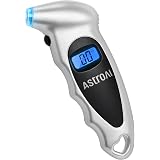
Tires are your car’s only contact with the road. Check tire pressure regularly. Inspect them for wear and tear. Properly inflated tires improve grip. They also ensure effective braking.
Your braking system is critical. Listen for unusual noises. Notice any changes in pedal feel. Have brakes inspected by professionals. Prompt attention prevents major issues.
Furthermore, check all lights regularly. Headlights, tail lights, and brake lights must function. Good visibility is paramount. It allows others to see your vehicle.
Fluid Levels and Windshield Wipers
Engine oil, coolant, and brake fluid are essential. Check their levels periodically. Low fluids can cause breakdowns. They can also affect performance and safety.
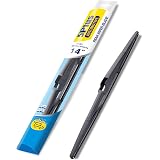
Ensure your windshield wipers work well. Replace worn blades promptly. Clear visibility is vital in adverse weather. Don’t compromise on seeing the road ahead.
Consequently, small maintenance tasks add up. They contribute significantly to overall driving safety. Never overlook these checks.
Shift Your Safety Questions into Gear: A Q&A
What is the most important thing to remember when driving?
Driving safety must always come first. It requires constant attention and responsible actions to avoid preventable crashes.
Why is it important to avoid distractions while driving?
Distracted driving is a major cause of accidents because anything that takes your focus, hands, or mind off the road significantly impacts your reaction time.
How can I tell if I’m following a car at a safe distance?
Use the three-second rule: pick a fixed point ahead, and after the car in front passes it, count to three. You should only reach that point after your count.
What does ‘defensive driving’ mean?
Defensive driving is being proactive by anticipating potential dangers and expecting other drivers’ mistakes. This strategy helps protect you and others on the road.
Why is regular vehicle maintenance important for safe driving?
A well-maintained vehicle is safer because regular checks prevent mechanical failures that can lead to dangerous situations. Ensuring your car is roadworthy is crucial for safety.