In an era where fuel costs seem to be consistently on the rise, discovering effective strategies to reduce consumption has become a priority for many drivers. The video above offers a practical introduction to a variety of fuel-saving tips, demonstrating how conscious driving habits and basic car maintenance can significantly impact your vehicle’s fuel economy. This supplementary guide expands upon those insights, providing a deeper understanding of each technique and how these practices can be integrated into daily driving for maximum benefit.
Strategic Driving: The Foundation of Fuel Economy
The journey towards better fuel economy begins long before the engine is even started; it commences with a strategic mindset. Planning ahead is not merely a suggestion; it is the cornerstone upon which all other fuel-saving tips are built. When a driver’s focus extends beyond the immediate vehicle in front, allowing for a broader view of the road ahead, better decisions can be made. Anticipating changes like upcoming red lights, junctions, or roundabouts allows for smoother adjustments, which are pivotal in avoiding unnecessary acceleration and braking.
Imagine the road as a flowing river; abrupt movements disrupt the current, while smooth, gradual navigation maintains its efficiency. Such an approach enables the driver to react to traffic patterns and road conditions well in advance, minimizing the need for sudden stops or rapid acceleration. This deliberate driving style not only contributes to better fuel consumption but also enhances overall safety and reduces wear and tear on the vehicle’s components.
Mastering Engine Braking for Optimal Fuel Efficiency
One of the most powerful tools in a driver’s arsenal for improving fuel economy is engine braking. This technique, where the foot is lifted from the accelerator while remaining in gear, allows the engine’s natural resistance to slow the vehicle. A particularly intriguing aspect of this process is the “Deceleration Fuel Cut-Off” (DFCO) technology. When DFCO is active, which typically occurs during engine braking, the fuel injectors are temporarily shut off, resulting in zero fuel consumption. This means that as the car slows down, no fuel is being used at all, effectively providing “free” deceleration.
For even more pronounced slowing, a driver may downshift through the gears, increasing the engine’s resistance and thus the braking effect. This method is especially beneficial when approaching a full stop, such as at a roundabout or stop sign, as it can negate the need for the conventional brake pedal entirely, or at least significantly reduce its usage. In contrast to traditional braking, which converts kinetic energy into heat through friction (a wasted energy), engine braking harnesses the engine’s inherent design to slow the vehicle in a fuel-efficient manner.
The Role of Vehicle Maintenance in Fuel Saving
The state of a car’s maintenance has a profound impact on its fuel economy. A well-maintained vehicle operates more efficiently, much like a finely-tuned machine. One accessible way to monitor a car’s health is through an On-Board Diagnostics (OBD) reader. Devices such as the OBDeleven are specifically designed to interface with a vehicle’s computer system, allowing faults and issues to be identified.
The video highlights that OBDeleven readers are compatible with a range of manufacturers, including BMW, Volkswagen Auto Group (Volkswagen, Audi, Skoda, SEAT), and the Toyota Group (Lexus). These devices can reveal a multitude of faults that, if left unaddressed, could negatively affect fuel consumption. For instance, issues related to fueling, ignition, spark plugs, cylinders, or air intake can all lead to an engine working harder than necessary, consuming more fuel in the process. A faulty oxygen sensor, for example, might cause the engine to run too rich, burning more fuel than required. Regular scanning with an OBD reader can identify these problems early, allowing for timely repairs that restore the vehicle’s optimal operating efficiency.
Furthermore, specialized features like “Eco Pro Coasting Mode,” as demonstrated with OBDeleven’s one-click apps, can further enhance fuel economy. This mode allows a vehicle to effectively coast without being in neutral, by disengaging the engine from the drivetrain when the accelerator is released, but only when appropriate and safe. This functionality helps to retain momentum, a key principle of efficient driving.
Coasting vs. Engine Braking: Understanding the Differences
While engine braking is ideal for situations requiring a full stop, coasting offers a different advantage for fuel saving when a driver wishes to maintain momentum without accelerating. Coasting involves allowing the car to roll freely, typically in neutral or with the engine disengaged (as with Eco Pro Coasting Mode), using the vehicle’s existing speed and gravity to cover distance. This technique is particularly effective on downhill slopes or when approaching a destination where only a slight reduction in speed is needed.
The primary benefit of coasting is the preservation of kinetic energy. Instead of burning fuel to maintain speed or using engine braking to actively slow down, the vehicle is simply allowed to glide. However, it is crucial to note that coasting in neutral can reduce a driver’s control over the vehicle, especially around corners, as the direct link between the engine and wheels is severed. A balanced approach involves selecting the appropriate method based on road conditions and the driver’s intent to stop or maintain speed.
The Impact of Tire Pressure on Fuel Consumption
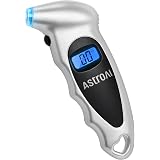
A frequently overlooked but significant factor in fuel economy is tire pressure. Properly inflated tires are crucial because they directly influence the vehicle’s rolling resistance. Rolling resistance refers to the friction generated between the tires and the road surface. When tires are underinflated, more of their surface area makes contact with the road, and the sidewalls flex excessively. This deformation increases friction and requires the engine to expend more energy to move the vehicle forward, thus consuming more fuel.
Conversely, maintaining appropriate tire pressures, or even slightly increasing them (within safe limits), can lead to a noticeable reduction in rolling resistance. The video suggests that an increase of around +5 PSI over the manufacturer’s recommendation can make a significant difference. It is important to adhere to the maximum PSI indicated on the tire itself and avoid over-inflating beyond safe levels, as this can compromise traction, handling, and tire lifespan. Regular checks, perhaps once a month or before long journeys, ensure that tires are always at their optimal pressure for both safety and fuel saving.
Leveraging Modern Car Features for Efficiency
The Benefits of Start-Stop Technology
Many modern vehicles are equipped with start-stop technology, a feature designed to enhance fuel economy, particularly in urban environments. This system automatically shuts off the engine when the vehicle comes to a complete stop, such as at a traffic light or in heavy congestion, and then seamlessly restarts it when the driver is ready to move again. While some drivers find this feature initially annoying, its impact on reducing fuel consumption, especially during prolonged idle times, is substantial.
When an engine idles, it continues to burn fuel without actually moving the vehicle, which can dramatically lower overall fuel efficiency. Start-stop systems effectively eliminate this waste. For hybrid vehicles, the benefit is even greater, as the electric motor can be used to pull away from a standstill, further delaying the re-engagement of the combustion engine. In manual cars, drivers often have more control, being able to prevent the engine from shutting off by keeping their foot on the clutch, offering a personalized approach to using this fuel-saving feature.
Gentle Acceleration and Low RPM Driving
The manner in which a vehicle is accelerated plays a critical role in its fuel economy. Aggressive acceleration, akin to a drag race at every traffic light, wastes a considerable amount of fuel. The engine is forced to work harder, demanding a richer fuel mixture and higher RPMs. A more efficient driving technique involves a gentle and gradual application of the throttle, using just enough power to get the vehicle moving smoothly. This approach keeps the engine’s revolutions per minute (RPMs) lower, ideally closer to the idle range.
Maintaining low RPMs means the engine is operating less intensely, requiring less fuel per combustion cycle. For manual transmission drivers, this translates to liberal use of gear changes, shifting up as soon as the engine’s RPMs slightly exceed the idle range. This practice ensures that the engine consistently operates at the lower end of its rev range, where it is generally most fuel-efficient. Even when merging onto motorways, where speed is crucial, a gradual acceleration combined with timely gear changes can achieve the desired velocity without excessive fuel burn.
Environmental Factors and Driving Habits
Switching Off Air Conditioning
Among the various electrical and mechanical accessories in a car, the air conditioning system is one of the most significant parasitic loads on the engine. This means that running the AC diverts a portion of the engine’s power to operate the compressor, which in turn demands more fuel to compensate for the lost energy. While the comfort of air conditioning is undeniable, especially during hot weather, turning it off when it is not absolutely necessary can contribute to better fuel economy.
For drivers committed to maximizing their fuel saving, consciously deciding to use the AC sparingly, perhaps only when absolutely needed, is a simple yet effective strategy. On cooler days or at higher speeds where opening windows might be sufficient, opting out of air conditioning can prevent unnecessary fuel consumption.
The “No-Brake Game” for Enhanced Anticipation
The “no-brake game” is an advanced technique that encapsulates many principles of efficient driving, particularly planning ahead and engine braking. The premise is straightforward: strive to navigate traffic and road conditions without touching the brake pedal. This practice forces a driver to be exceptionally anticipatory, constantly scanning the road ahead and adjusting speed using only the accelerator and gears.
By relying solely on engine braking and careful coasting to slow down, drivers become more attuned to maintaining momentum and avoiding situations that would necessitate hard braking. This mental exercise sharpens a driver’s ability to read the road, predict traffic flow, and make smooth, calculated maneuvers. The consistent application of this game, especially on highways and motorways, can lead to remarkable improvements in fuel economy over long distances.
Hypermiling: The Art of Extreme Fuel Efficiency
Hypermiling represents the pinnacle of fuel saving strategies, involving a set of driving techniques focused on achieving the absolute maximum fuel economy possible, often to the exclusion of other considerations like speed or convenience. A central tenet of hypermiling is maintaining an optimal cruising speed. For many cars, it has been observed that the most efficient speed is approximately 56 miles per hour.
The reason for this specific speed relates to the exponential increase in air resistance (drag) as a vehicle’s speed rises. At lower speeds, air resistance is significantly reduced, meaning the engine has to work much less to push the car through the air. While driving at 56 mph on a motorway might mean being overtaken by other vehicles, it is a scientifically proven method to drastically cut down on fuel consumption. Hypermiling also incorporates all other fuel-saving practices, such as gentle acceleration, minimal braking, and proper tire pressure, to squeeze every possible mile out of each gallon of fuel. This approach is not only beneficial for gasoline-powered cars but can also significantly extend the range of electric vehicles.
Under the Hood: Your Fuel-Saving Questions Answered
What is strategic driving for better fuel economy?
Strategic driving means planning ahead by looking far down the road to anticipate traffic changes. This allows you to make smoother adjustments, avoiding sudden braking and acceleration, which saves fuel.
How does engine braking help save fuel?
Engine braking is when you lift your foot off the accelerator while remaining in gear, letting the engine slow the car. During this process, many modern cars temporarily shut off fuel delivery, meaning you use no fuel to decelerate.
Why is checking tire pressure important for fuel saving?
Properly inflated tires reduce the friction between your tires and the road, known as rolling resistance. When tires are underinflated, your engine has to work harder to move the car, using more fuel.
What is start-stop technology in cars?
Start-stop technology automatically turns off your engine when your car comes to a complete stop, like at a traffic light. It then restarts seamlessly when you’re ready to drive again, saving fuel that would otherwise be wasted while idling.
How does accelerating gently help save fuel?
Gentle acceleration means pressing the gas pedal smoothly and gradually instead of aggressively. This keeps your engine’s RPMs lower, making it work less intensely and consume less fuel.