There was a time when the mere thought of a car offering exceptional fuel efficiency often conjured images of cramped interiors and underwhelming performance. This perception, however, is rapidly becoming a relic of the past. As we look towards 2026, the landscape of automotive innovation has shifted dramatically, making it entirely possible to combine impressive mileage with comfort, style, and even exhilarating driving dynamics.
For those who have been following the discussions on our video above, the importance of selecting a vehicle that minimizes trips to the gas pump is undoubtedly clear. This supplementary guide is designed to delve deeper into the nuances of what makes a car truly fuel efficient, offering insights that expand on key concepts and help navigate the options becoming available in the coming years.
Understanding Fuel Efficient Cars: Beyond Just MPG
When considering fuel efficient cars, the immediate metric that comes to mind is miles per gallon (MPG). While undeniably crucial, it is understood that the true picture of efficiency is more complex. Many factors are involved in a vehicle’s overall fuel consumption, extending far beyond the engine type alone.
For instance, aerodynamic design plays a substantial role. A vehicle’s ability to slice through the air with minimal resistance can significantly reduce the energy required to maintain speed. It’s much like a swimmer streamlining their body to glide effortlessly through water, minimizing drag and conserving effort.
The Role of Hybrid and Plug-in Hybrid Technology
Hybrid vehicles are often highlighted when discussing top fuel efficiency. These vehicles are designed with a powertrain that combines a gasoline engine with an electric motor and battery system. This arrangement allows for various operational modes that optimize fuel use, especially in stop-and-go city driving.
A further evolution is represented by plug-in hybrid electric vehicles (PHEVs). These models integrate larger batteries that can be charged externally, much like an all-electric car. They are capable of traveling significant distances on electric power alone before the gasoline engine is even engaged. This can translate into substantial fuel savings for daily commutes, with the gasoline engine providing range assurance for longer journeys.
Key Factors Influencing a Car’s Fuel Economy
It is useful to recognize that a car’s advertised MPG is often achieved under ideal testing conditions. In real-world driving, a variety of elements are constantly affecting actual fuel consumption. These factors are considered crucial when assessing true ownership costs.
Driving Habits and Road Conditions
Aggressive driving, characterized by rapid acceleration and hard braking, has a direct and often dramatic negative impact on fuel efficiency. Smooth, consistent driving, on the other hand, allows the engine and transmission to operate within their most efficient ranges. Similarly, driving at higher speeds on highways generally consumes more fuel than cruising at moderate speeds, due to increased aerodynamic drag.
Traffic conditions also play a part. Frequent stops and starts in congested urban environments can heavily tax a vehicle’s fuel economy, though this is where hybrid systems often shine, by recapturing energy through regenerative braking. Conversely, open highway driving, while seemingly more efficient, can become less so at excessively high speeds.
Vehicle Weight and Tire Performance
The total weight of a vehicle is another critical determinant of fuel consumption. More energy is required to move a heavier car, particularly during acceleration. This principle can be compared to pushing a shopping cart: an empty cart is effortlessly moved, whereas a fully loaded one demands significantly more effort.
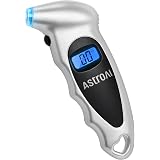
Furthermore, tire pressure and type are not to be overlooked. Underinflated tires increase rolling resistance, forcing the engine to work harder and consume more fuel. Low rolling resistance tires, specifically designed to minimize friction with the road, can contribute to measurable improvements in MPG.
Advancements in Automotive Technology for 2026
The automotive industry is in a continuous state of evolution, with engineers constantly seeking innovative ways to enhance vehicle efficiency. For the 2026 models, several technological advancements are expected to further push the boundaries of fuel economy.
Engine Innovations and Lightweight Materials
Modern gasoline engines are incorporating technologies such as direct injection, turbocharging, and variable valve timing. These allow for more precise fuel delivery and combustion, extracting more power from less fuel. Many engines are now being paired with advanced multi-speed automatic transmissions, some with ten or more gears, to keep the engine operating at its optimal RPM range.
The increasing use of lightweight materials, such as high-strength steel, aluminum, and even carbon fiber composites, is also a significant trend. Reducing a vehicle’s curb weight directly improves fuel efficiency without sacrificing safety or structural integrity. This is akin to a runner shedding excess weight to improve their speed and endurance.
Sophisticated Vehicle Management Systems
Modern vehicles are equipped with sophisticated computer systems that continuously monitor and adjust various parameters to maximize efficiency. Features like automatic start-stop systems, which temporarily shut off the engine when the vehicle is stationary, are becoming standard. Predictive driving aids, which use GPS data to anticipate terrain changes and adjust powertrain settings accordingly, are also emerging.
Moreover, regenerative braking systems in hybrids and EVs are becoming more refined. These systems convert kinetic energy, typically lost as heat during braking, back into electrical energy to recharge the battery. This mechanism can significantly boost efficiency, especially in urban driving conditions where frequent braking is common.
Navigating Your Choices for the Best MPG Cars
When it comes to selecting a fuel efficient car for 2026, many excellent options will be presented across various vehicle segments. It is understood that personal needs and driving patterns will heavily influence the best choice.
Compact Sedans and Hatchbacks
For those prioritizing sheer fuel economy, compact sedans and hatchbacks traditionally offer some of the best MPG figures. Their smaller size and lighter weight inherently contribute to lower fuel consumption. Many models in this category are available with highly efficient hybrid powertrains, providing an ideal balance for city commuters and individuals seeking minimal operating costs.
SUVs and Crossovers with Enhanced Efficiency
The demand for SUVs and crossovers remains strong, and manufacturers are responding with increasingly fuel-efficient versions. Many of these popular vehicles are now offered with advanced hybrid or plug-in hybrid options, effectively bridging the gap between utility and economy. While they may not achieve the same MPG as their smaller sedan counterparts, the relative efficiency for their size and capability is often remarkable.
Looking Ahead: Future Trends in Fuel Efficiency
The future of fuel-efficient vehicles is expected to be dominated by further advancements in electrification. While all-electric vehicles (EVs) represent the ultimate in zero-tailpipe-emission transportation, hybrids and PHEVs will continue to play a crucial role as transitional technologies, providing accessible efficiency for a wider consumer base.
It is predicted that battery technology will continue to improve, leading to greater electric range for PHEVs and lighter, more compact hybrid systems. Innovations in materials science and manufacturing processes are also expected to make fuel efficient cars more affordable and widely available, ensuring that the pursuit of lower fuel consumption remains a top priority for automakers and consumers alike.
Maximizing Your Miles: Your Q&A on Top Fuel-Efficient Cars
What does it mean for a car to be fuel-efficient?
A fuel-efficient car uses less gasoline to travel a given distance, which is often measured in miles per gallon (MPG). This also includes features like aerodynamic design that helps the car move through the air with less effort.
What is the difference between a hybrid car and a plug-in hybrid (PHEV)?
A hybrid car combines a gasoline engine with an electric motor and battery to improve fuel use. A plug-in hybrid (PHEV) has a larger battery that can be charged from an external source, allowing it to travel further on electric power alone before the gasoline engine is needed.
Do my driving habits affect how much fuel my car uses?
Yes, how you drive significantly impacts fuel economy. Aggressive driving with quick acceleration and hard braking uses more fuel, while smooth, consistent driving and maintaining correct tire pressure helps save gasoline.
How are new cars being made more fuel-efficient for the future?
Car manufacturers are improving efficiency through advanced engine technologies, using lighter materials, and incorporating smart computer systems. These systems include features like automatic start-stop and regenerative braking that help save energy.